Marketing
Universal Commerce Protocol, The Next Evolution of Online Shopping
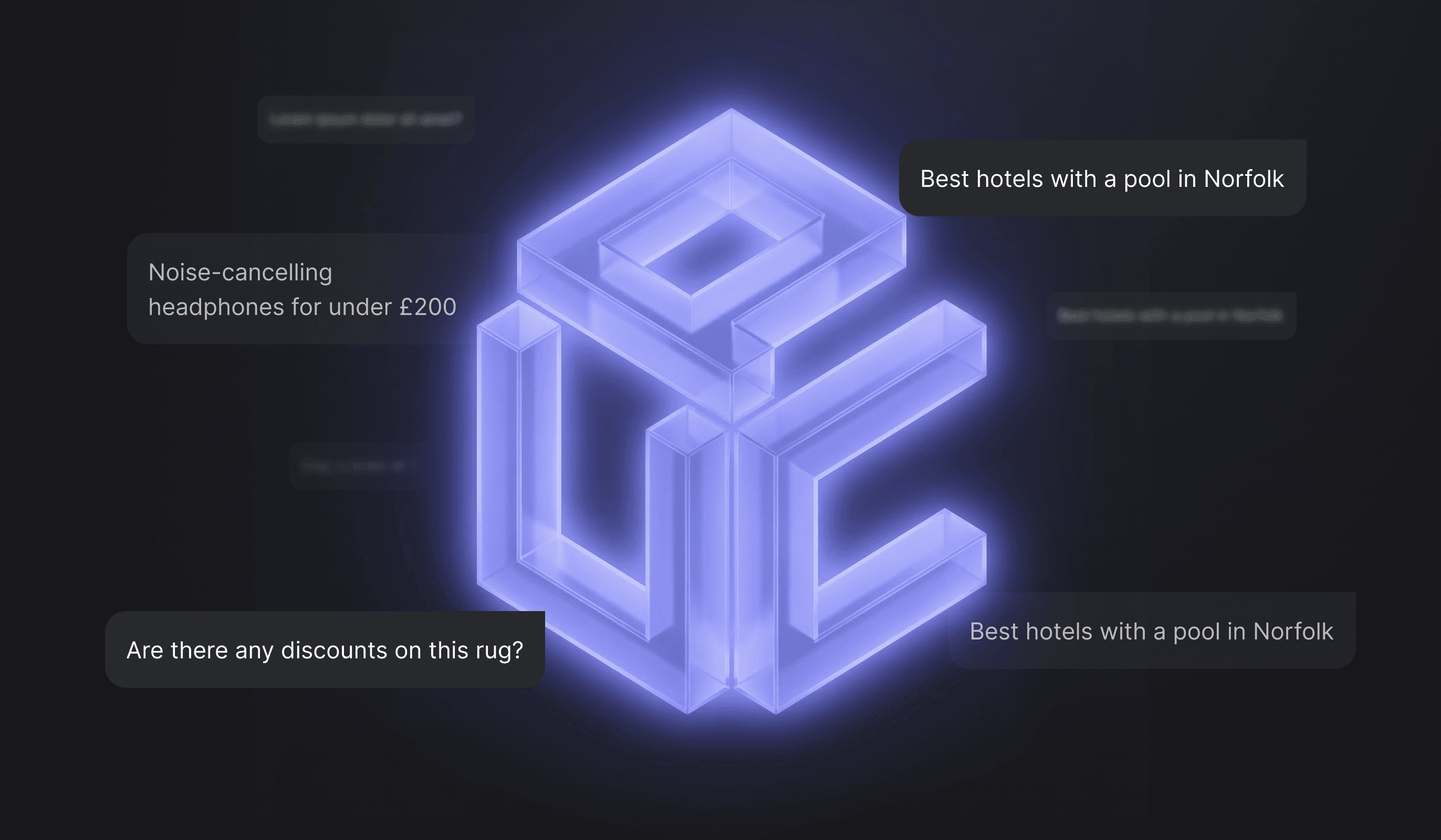
The way people shop online is about to change again. Google’s introduction of the Universal Commerce Protocol (UCP) signals a major shift in how products are discovered, evaluated, and purchased online. This development represents the beginning of a new commerce ecosystem, one where AI assistants can handle the entire shopping journey on behalf of the consumer.
For brands and retailers, this means preparing for a world where customers no longer move step by step through traditional digital funnels. Instead, intelligent systems will increasingly handle product discovery, comparison, and purchasing in a single, seamless interaction.

What Is the Universal Commerce Protocol?
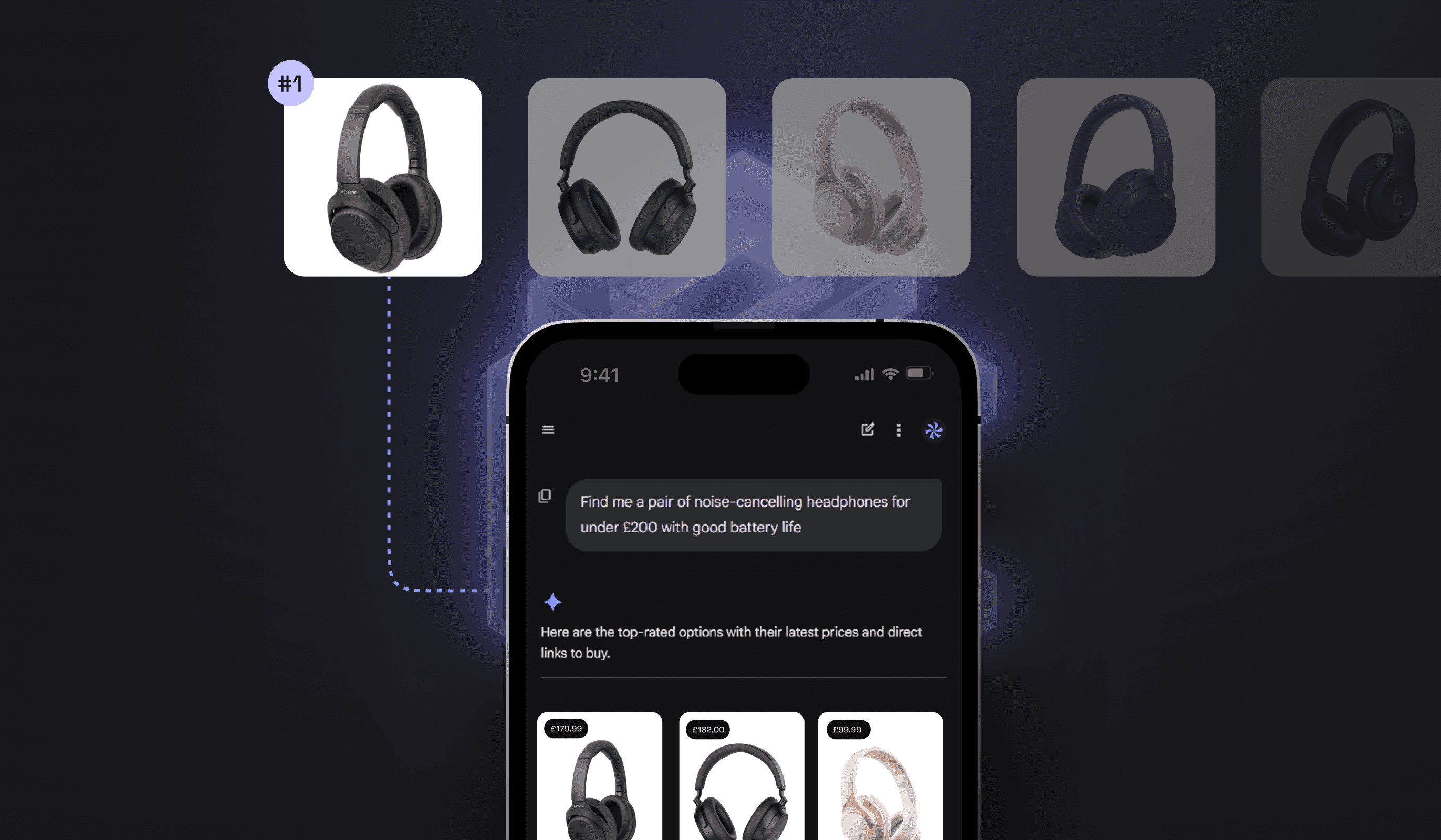
The Universal Commerce Protocol (UCP) is a new framework designed to allow AI systems to manage the entire shopping process without forcing users to move between multiple websites or apps.
In simple terms, UCP enables AI assistants to:
• Discover products
• Compare options
• Review pricing and availability
• Complete purchases
• Manage payments and delivery
All from within a single AI-driven interface.
Rather than acting as a simple search tool, these AI systems become transactional shopping agents capable of completing purchases on behalf of the user.
UCP builds on emerging AI infrastructure created by companies such as OpenAI, Shopify and PayPal. These technologies include systems that allow AI agents to communicate with retailers, access product data, and complete transactions securely.
For businesses, this creates a new environment where product data, availability, pricing, and customer experience must be structured in a way AI systems can understand and act upon.
What Else Has Google Announced?
While the Universal Commerce Protocol is one of the most important announcements, it is only part of a broader evolution in how Google is approaching digital commerce.
Several updates are expected to transform how shopping works across Google’s ecosystem, including:
• More advanced shopping experiences within Google Search
• Deeper commerce functionality inside Gemini
• Improved merchant product data attributes within Merchant Centre
• New advertising formats designed to connect brands with customers at the moment of purchase
Together, these developments signal a shift from search-led shopping journeys to AI-assisted purchasing experiences.
Why This Time Is Different
Google has attempted to reshape online commerce before. Previous initiatives such as Google Express, Universal Cart, and Shopping Actions tried to compete with large marketplaces but struggled to gain long-term traction.
The difference today is the rapid adoption of artificial intelligence.
AI tools are being adopted faster than almost any previous consumer technology. Unlike voice assistants, which required new devices and behaviour changes, AI commerce tools are already embedded into platforms people use daily.
The trajectory is likely to mirror the rise of mobile commerce, which started slowly but eventually reshaped the entire retail ecosystem.
The key difference now is that AI systems can combine product discovery, decision-making, and purchasing into one interaction, dramatically shortening the traditional marketing funnel.
When Will It Launch?
Google has indicated that UCP will roll out in the near future, with initial deployment likely starting in the United States before expanding internationally.
This phased rollout mirrors how other major Google features have launched. For brands and retailers outside the US, this creates a valuable opportunity to observe how the technology evolves and prepare systems before it reaches local markets.
Who Will Benefit Most?
In the early stages, direct-to-consumer brands and retailers are likely to benefit the most from this shift.
AI-powered commerce creates a more direct connection between brands and customers at the moment a purchasing decision is being made. Instead of competing within crowded marketplaces, retailers can surface directly within AI-generated recommendations.
However, this shift may present challenges for some multi-brand marketplaces whose advantage historically relied on product range and comparison shopping.
If AI assistants can evaluate products across the entire internet instantly, the traditional marketplace advantage may begin to erode.
Beyond retail, the same technology is expected to expand into sectors such as:
• Travel and hospitality
• Luxury goods
• Financial services
• High-value consumer products
As the technology matures, AI-assisted purchasing could become common across many industries.
What Should Retailers Be Doing Now?
For businesses selling products online, the most important preparation involves improving the quality and accessibility of product data.
AI systems rely on structured information to make recommendations and complete purchases. If product data is incomplete or difficult to interpret, those products are less likely to be surfaced within AI-driven shopping experiences.
Retailers should focus on strengthening:
• Product titles and descriptions
• Product specifications and attributes
• Pricing and availability data
• Delivery and returns information
• Customer reviews and ratings
The more context AI systems can access, the better they can understand and recommend products.
Is Google the Only Platform That Matters?
While Google’s influence is significant, it is far from the only company investing in AI commerce.
Other major technology companies are developing similar capabilities, including OpenAI and potentially large marketplaces such as Amazon.
Rather than a single dominant platform, the future of AI commerce will likely involve multiple ecosystems competing for consumer attention.
For brands, this reinforces the importance of maintaining high-quality product data and strong digital infrastructure across multiple platforms, rather than relying on one channel alone.
The Strategic Opportunity for Brands
The rise of AI-led commerce is not simply another technological update. It represents a shift in how customers interact with brands online. Traditional marketing funnels that relied on multiple steps, from discovery to purchase, are becoming shorter and more automated.
In this new environment, brands that provide the clearest product information, the strongest brand signals, and the most reliable purchasing experience will be best positioned to benefit.
Preparing for the Future of Commerce
As AI-driven shopping continues to evolve, businesses that invest early in strong digital infrastructure will gain a significant advantage.
This means ensuring product data is structured, accessible, and designed to support the next generation of commerce platforms.
At Mesmerise Media, we work with brands to build digital strategies that prepare them for the next phase of online commerce, ensuring their products, platforms, and marketing systems are ready for emerging technologies.
If your business wants to stay ahead of these developments, now is the time to start preparing. Get in touch.